Advanced Computational Astrophysics: Concepts and Applications
Astrophysics Master programme course · University of Potsdam
Lectures: Prof. Christoph Pfrommer & Dr. Oliver Gressel
Seminar: Dr. Ewald Puchwein
Exercise classes: Noa Hoffmann
Computer simulations are how astrophysicists study things they cannot recreate in a laboratory: galaxies colliding, stars exploding, and cosmic structure growing over billions of years.
In fact, nearly all of theoretical astrophysics, and a good deal of observational astronomy, depends on computational techniques. The aim of the course is to give you a working command of them: to recognise and classify the numerical problems that keep coming up in astrophysics, to understand the relevant methods and algorithms and where each one applies, and to keep the underlying physics in view. Solving concrete astrophysical problems with a suitable numerical technique, and judging how far the results can be trusted, is a central part of the course.
In the accompanying exercise classes the approach is hands-on: putting algorithms into practice by writing your own codes.
Note that this course is complemented by a Seminar on Computational Astrophysics.
Contents
The course works its way up from the fundamentals to the algorithms at the heart of today’s large simulation codes:
Integration of ordinary differential equations
Basic gas dynamics
Eulerian hydrodynamics
Magneto-hydrodynamics
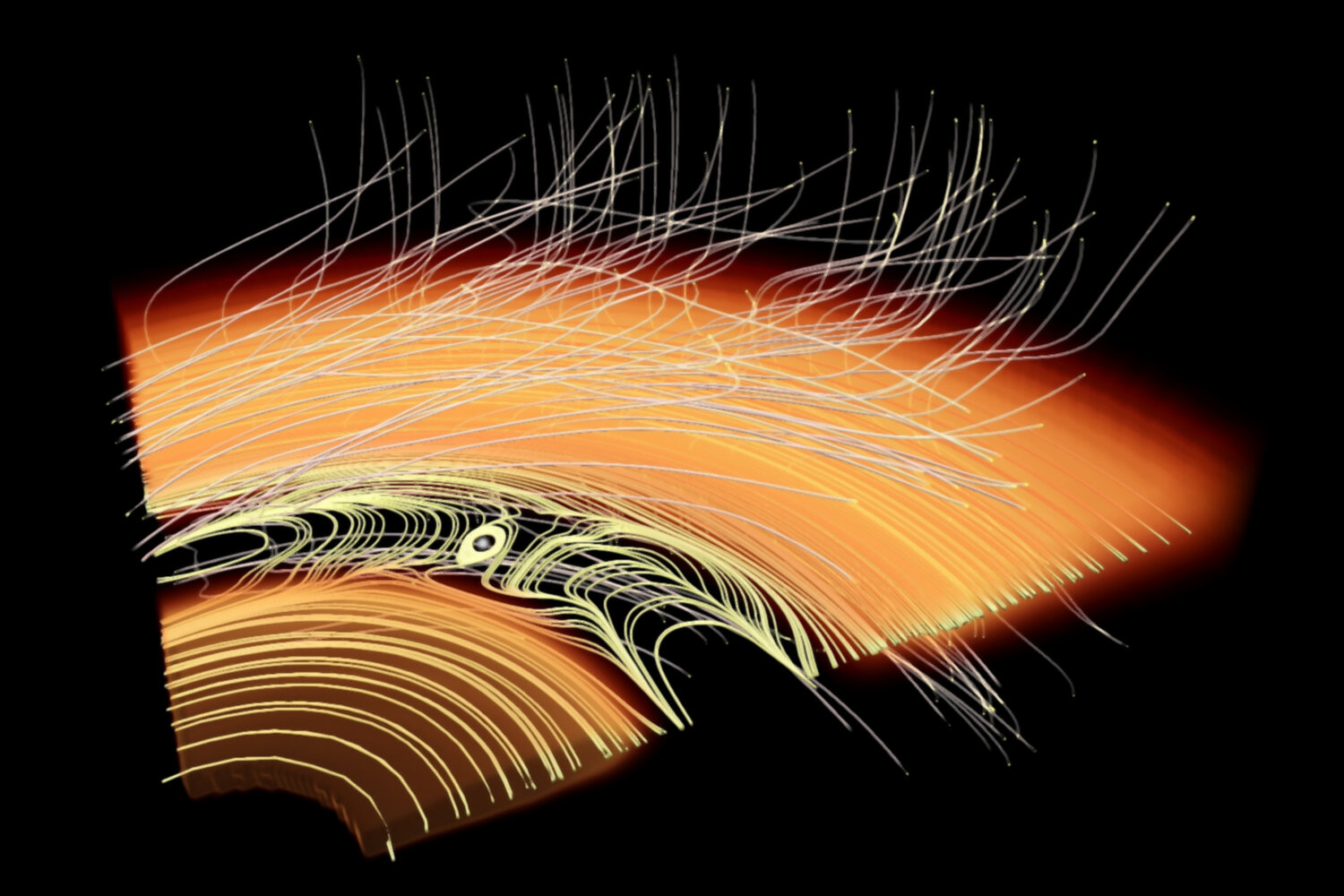
The diffusion equation
PhET Interactive Simulations, University of Colorado Boulder, CC BY 4.0
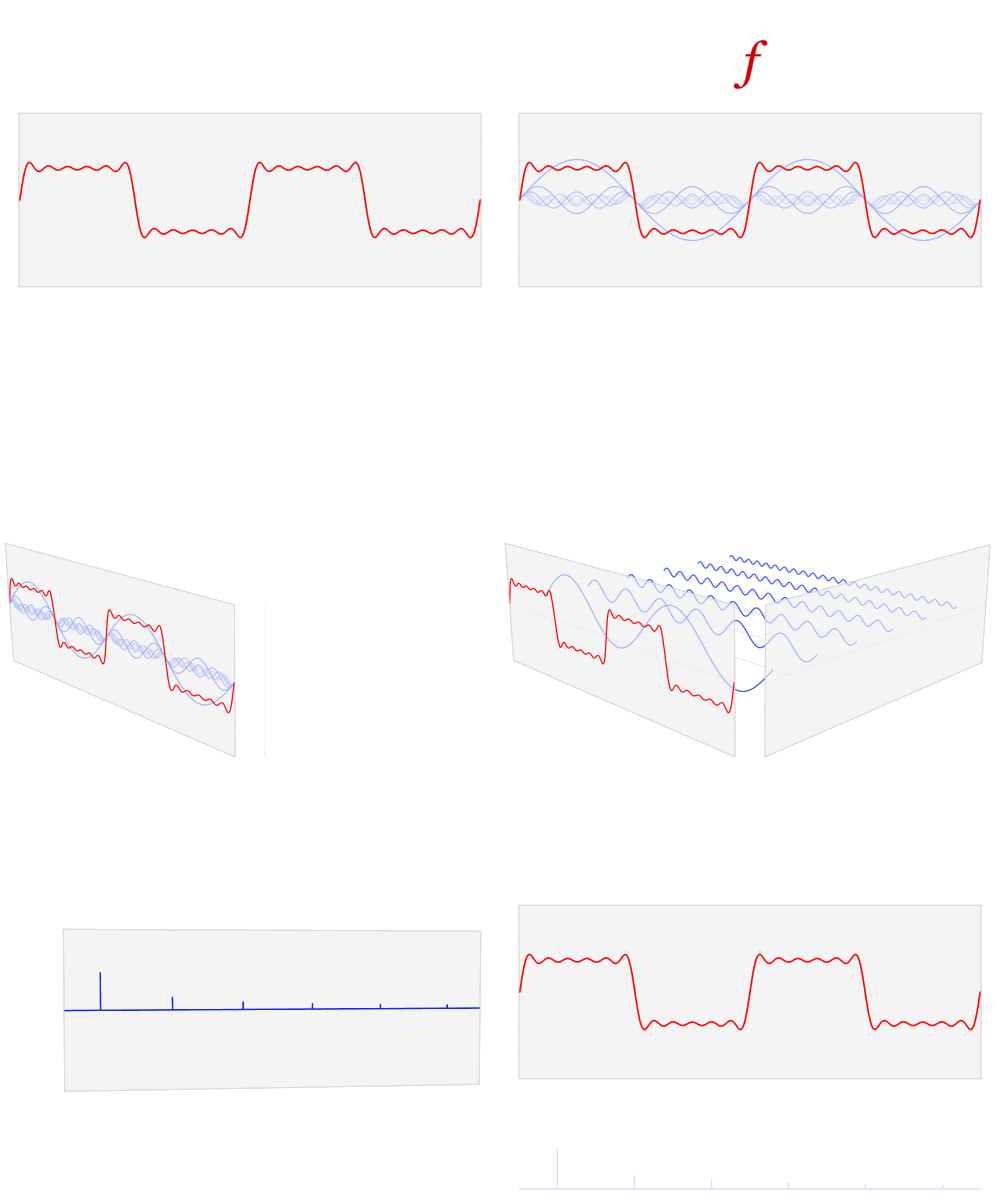
Fourier transform techniques
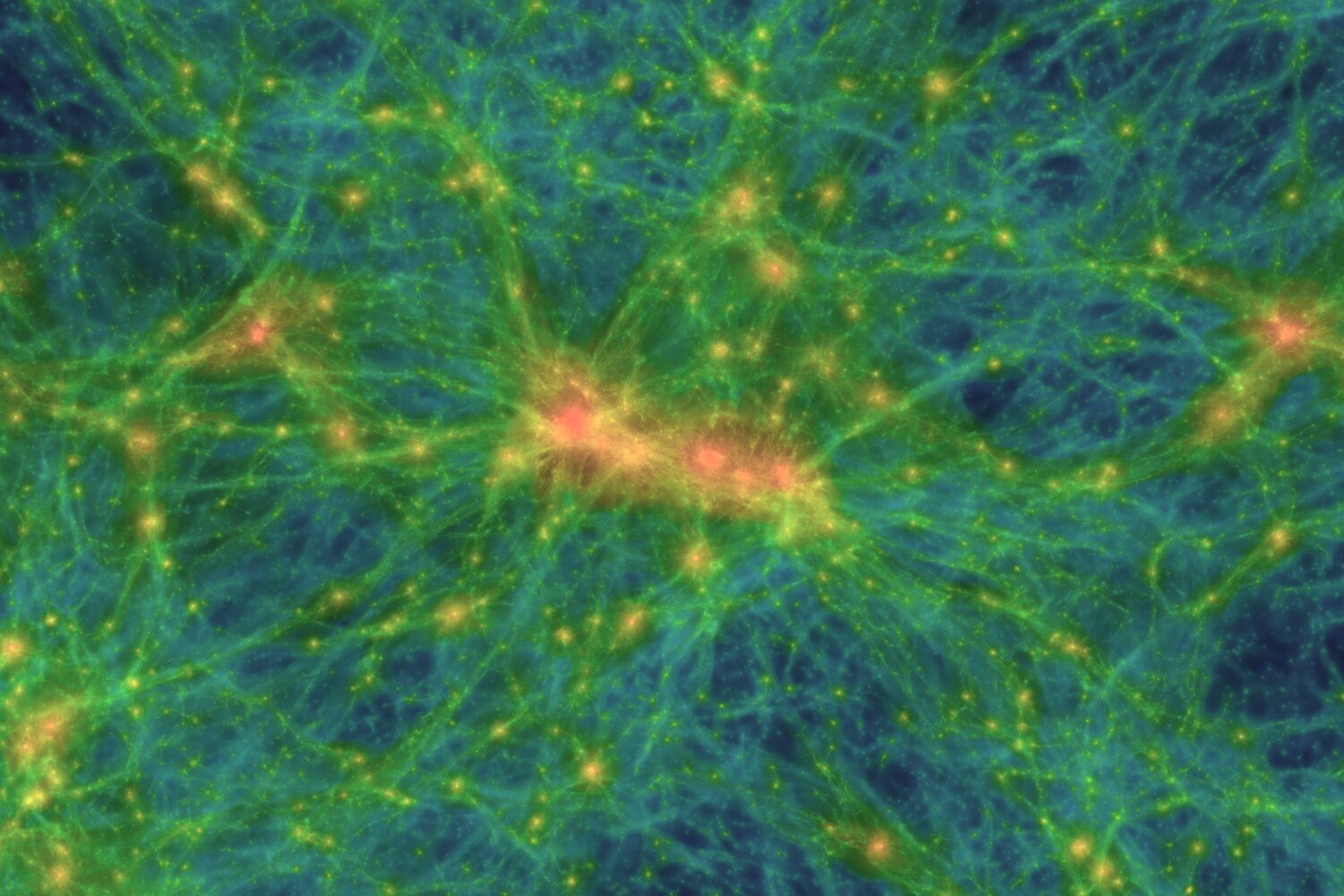
Collisionless particle systems
Gravity solvers – tree and particle-mesh codes
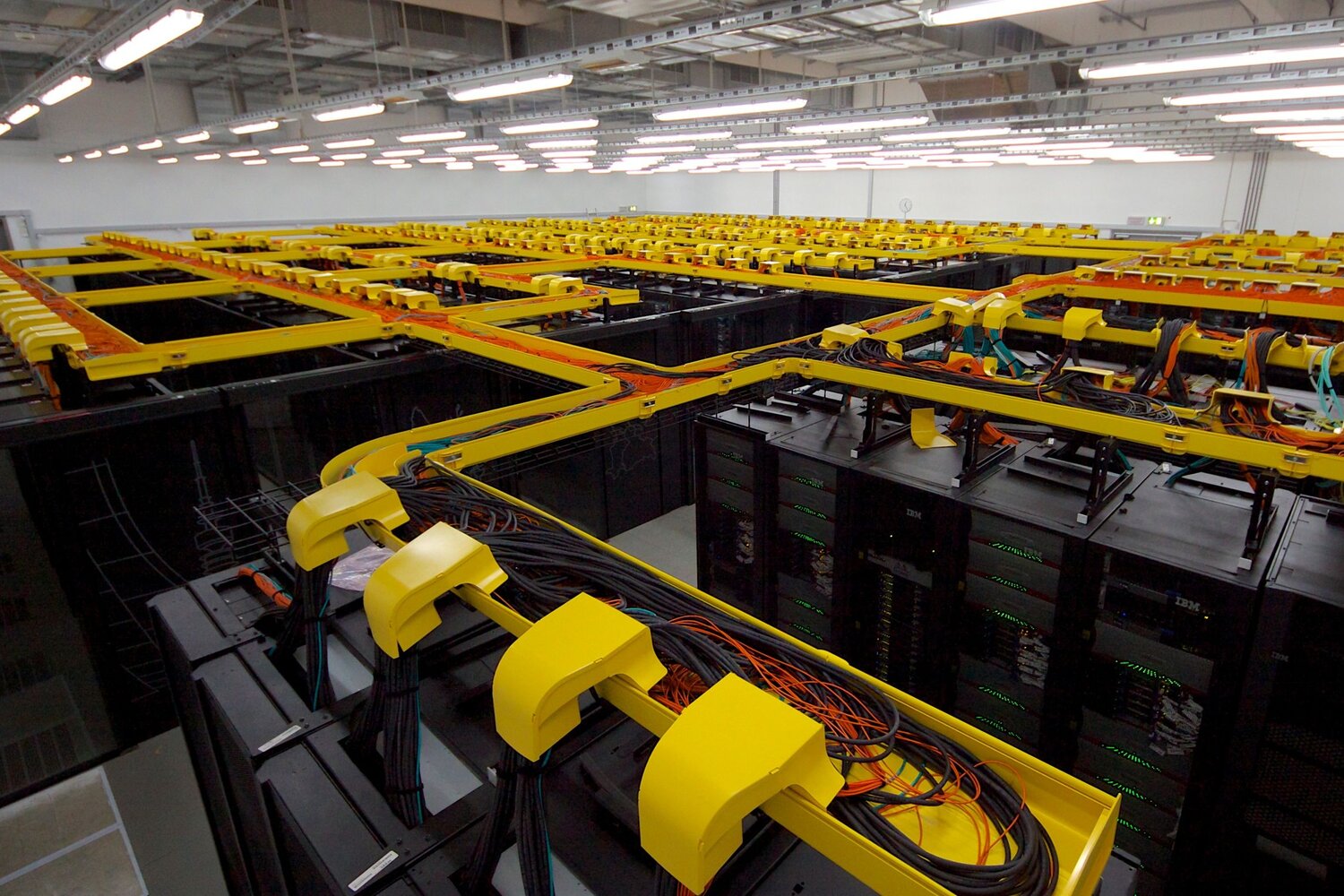
Parallelization techniques
Lecture and seminar
Dates, rooms, lecture notes, homework assignments and credit points for the lecture and exercise classes are on the Lecture page. The Seminar page has the seminar dates, the list of topics and the seminar material.