Seminar on Computational Astrophysics
Winter semester 2026/27 · University of Potsdam
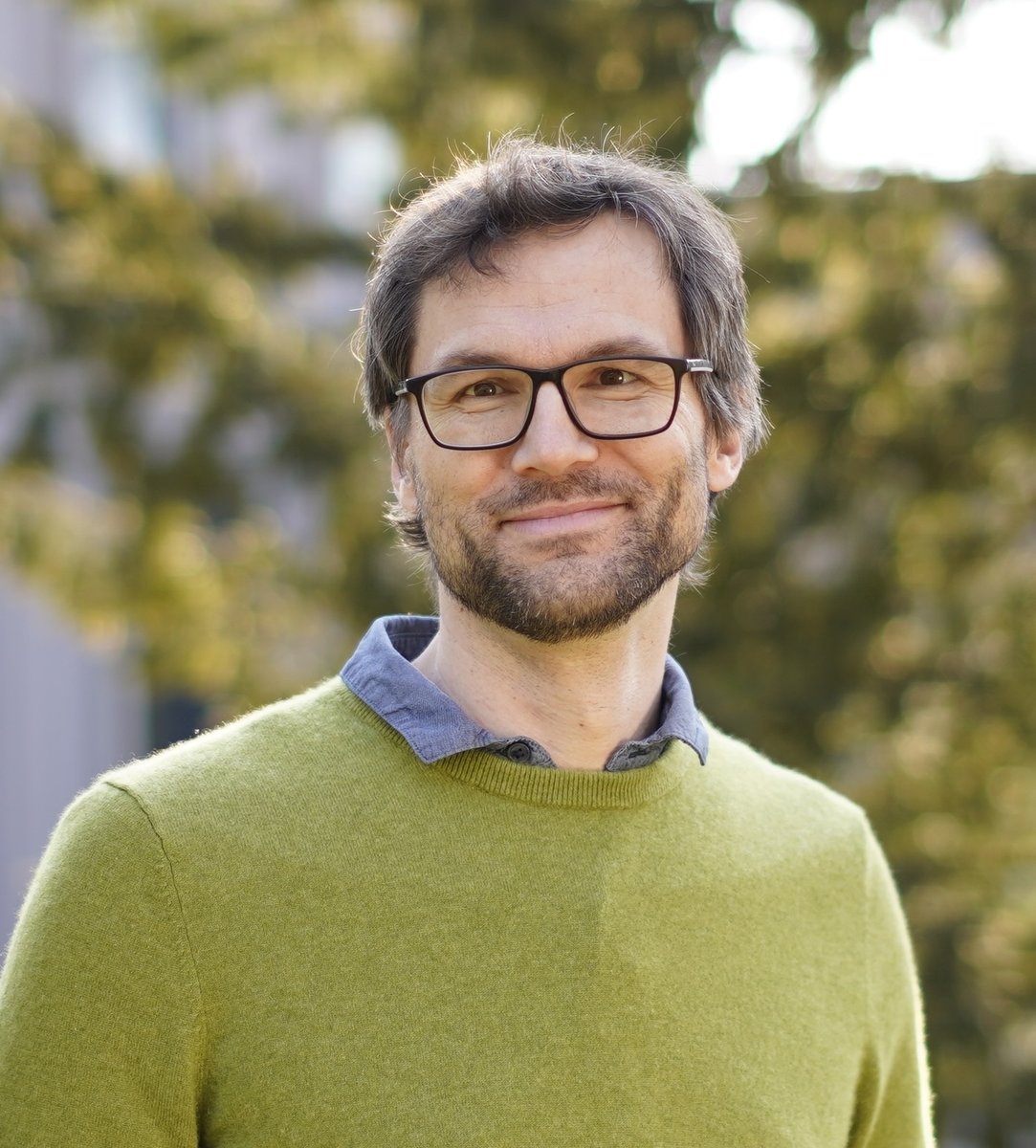
Dr. Ewald Puchwein
Understanding and applying concepts of computational astrophysics is a very important part of research in astrophysics — be it in the form of simulations or when reducing observational data. This Master seminar aims to close the gap between the lectures on computational astrophysics on the one side and cutting-edge scientific work on the other. Its main aim is to create a vibrant atmosphere in which students learn how exciting concepts of computational astrophysics are applied in real astrophysics research, while building scientific media literacy. As such it complements the lectures and exercise classes of Advanced Computational Astrophysics: Concepts and Applications (PHY-735). Participants independently prepare a topic in this field, resulting in a presentation of 30 minutes plus discussion.
Place and dates
| When | Room | First meeting |
|---|---|---|
| Wednesdays, 16:15–17:45 | 2.28.2.011 | Oct 21, 2026 |
The first meeting is on Oct 21, 2026. The further dates depend on the number of participants, i.e. on how many talks will be given.
Please register for the seminar in PULS (course number 526111, registration period Oct 1 – Nov 10, 2026).
Seminar topics
Each participant chooses one of the following topics and presents it in a talk:
- Adaptive mesh refinement hydrodynamics
- Smoothed-particle hydrodynamics
- Moving-mesh hydrodynamics
- Magnetohydrodynamics
- Shock finding and cosmic ray acceleration
- Cosmic ray transport and applications
- Radiative transfer and applications
- Anisotropic diffusion and heat conduction
- Multigrid (gravity) solvers
- Generating cosmological initial conditions
- Halo and substructure finding
Course material
The topics presented by the students are based on scientific papers that can be downloaded from this cloud folder (password protected).
Accompanying lecture course
The seminar complements the lecture course Advanced Computational Astrophysics: Concepts and Applications. Taking the lecture is not required, but it can be very helpful for understanding the numerical concepts discussed in the scientific papers.
Alternatively, you may find it useful to read the course material of the lecture, which is based on revised lecture notes originally written by Prof. Volker Springel (Max Planck Institute for Astrophysics) and is available as a PDF file (password protected).
Credit points
Credit points for this seminar can be used for the Master of Science Astrophysics module PHY-775. Grades and credit points are awarded for a successful presentation of a topic in computational astrophysics as described above, which involves reading, understanding and presenting selected scientific papers, as well as for active participation in the seminar.